 Peak
PeakGilgit
Gilgit-Baltistan
Gilgit is the administrative hub of the north and the place to sort permits, cash and transport before Hunza or Skardu.
from Rs 5,000/nightView stays
Destination guide
Hunza runs about eighty kilometres along the Karakoram Highway, with Karimabad as the usual base. Three windows matter: blossom in late March and April, green summer from June to August, and gold in late October. Karimabad guesthouses run Rs 6,000 to Rs 14,000, ridge hotels Rs 18,000 to Rs 30,000. Gilgit is two and a half hours south.
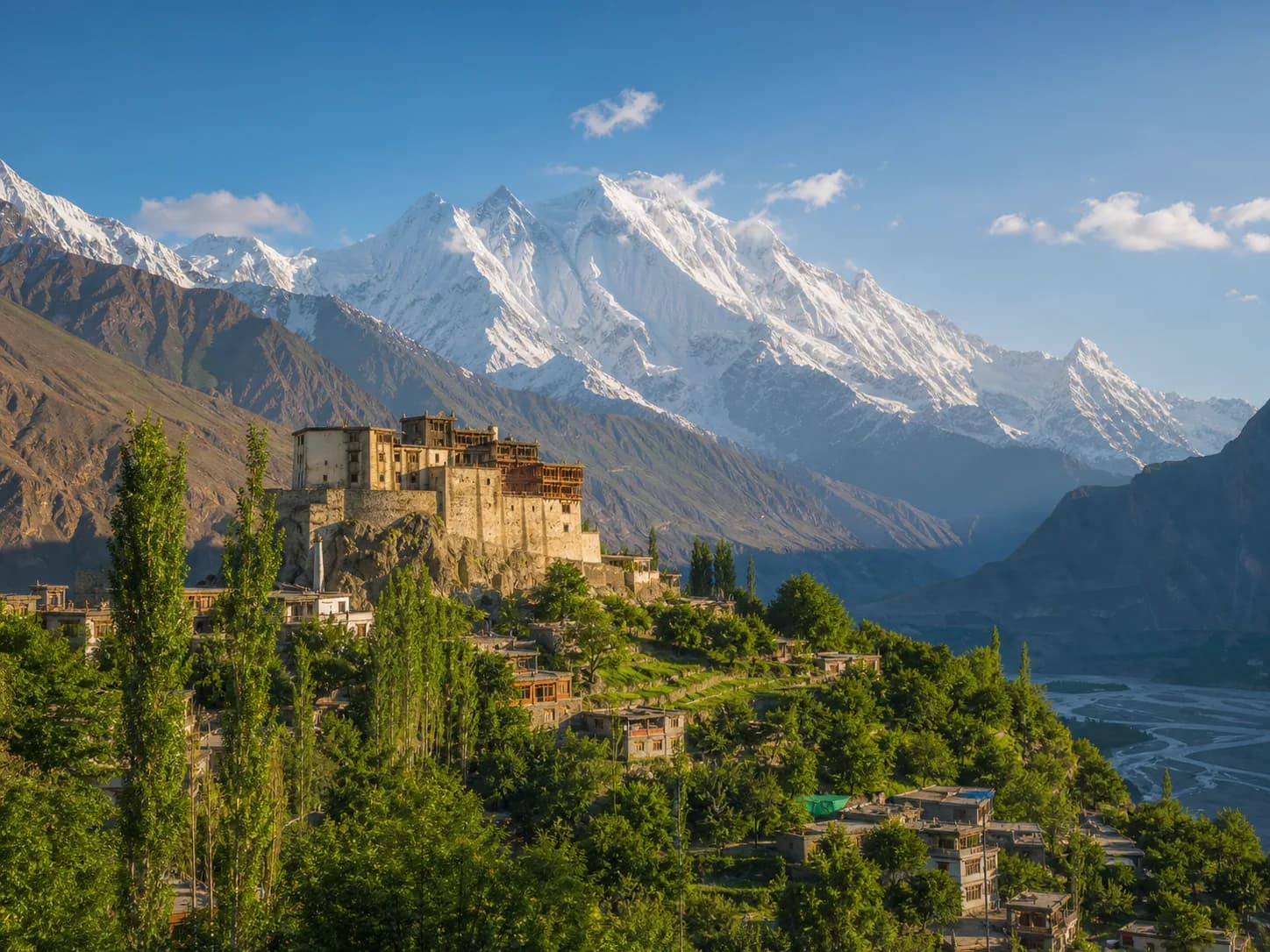
Hunza is unusual among northern destinations in that the question is not whether it is open but which of three quite different valleys you want to see. Late March into the first half of April brings apricot and cherry blossom across the terraces. It is the photographers' window and it is increasingly the busiest one, but the exact timing shifts by a week or two with the winter that preceded it, so it rewards watching local reports rather than fixing a date months ahead and hoping.
June to August is the green version: warm in the day, cool at night, meltwater running hard, and the highest domestic traffic of the year. Late October is the third window, when the poplars and apricot trees turn gold and the air is the clearest it gets all year. If you have never been and can choose freely, late October is the window that asks least of you — the roads are past the monsoon, the light is good and the valley is not at its fullest.
All three book out. Blossom week, the July and August peak and the late-October window each need three to four weeks' notice, and Karimabad's room stock is small enough that when it goes, the fallback is thirty minutes down or up the valley rather than round the corner. That is worth knowing before you assume you can decide on arrival.
Winter is the fourth option and the honest description of it is cold, largely shut and beautiful. Khunjerab is closed, and snow can shut Karakoram Highway sections between Gilgit and Hunza for a day at a time. You get an empty valley and cheap rooms in exchange for occasionally not being able to move on a given morning — a reasonable trade if your dates are loose, a poor one if they are not.
Everything arrives through Gilgit. From there it is about two and a half hours north on the Karakoram Highway to Karimabad, past the Rakaposhi viewpoint at Ghulmet, and that final leg is the easy part of the journey. It is getting to Gilgit that decides how your trip starts.
There are three ways in. Flying from Islamabad takes about an hour, weather permitting, and the qualifier does a great deal of work in that sentence — cancellations are frequent enough that the road plan is not a backup but a parallel plan. Driving the Karakoram Highway via Besham is fifteen to eighteen hours to Gilgit. From roughly late June to October the Naran and Babusar Top route is shorter and considerably more scenic, which is why people who have done both keep choosing it. Overnight coaches run from Rawalpindi to Gilgit daily.
Whichever you take, treat the arrival day as an arrival day. A fifteen-hour drive followed by two and a half more hours to Karimabad is not a day you should also expect to spend at a fort, and a cancelled flight is not a good reason to have promised a guesthouse you would be there by evening.
Attabad Lake is the piece of Hunza that older accounts get wrong. The lake formed when a landslide in 2010 dammed the Hunza river, and for years the crossing meant putting yourself and your luggage into a boat. It is now crossed by tunnels. If a blog or a guidebook describes a boat transfer as part of the drive north, it is out of date and the journey is considerably simpler than it makes out.
Khunjerab Pass sits at 4,693 metres on the Chinese border, roughly three hours beyond Karimabad, and is normally open to visitors from about May to October before winter snow closes it. A national park fee is collected at the Dhee checkpost. The amount is not something we publish, and it is not built into any hotel rate, so ask what it currently is when you arrange the vehicle rather than assuming it is nominal. Set off early: at that altitude the air is thin and afternoon weather at the top changes quickly.
The Karakoram Highway between Gilgit and Hunza can shut for a day after heavy snowfall or a landslide. That is rarely trip-ending, but it is a good reason not to book a same-day onward flight out of Gilgit, and a better one to leave a spare day at the end of a Hunza trip rather than the start.
Rooms set the budget and they vary as much by address as by month. A guesthouse in Karimabad with a valley view runs Rs 6,000 to Rs 14,000. The established hotels on the ridge sit at Rs 18,000 to Rs 30,000. Aliabad, the working town below, is roughly a third cheaper and has almost no outlook. Guesthouses in Gulmit and Passu, an hour north, run Rs 5,000 to Rs 12,000. Those figures are indicative bands rather than live rates — we quote against your dates rather than publish a tariff.
Three windows carry a premium and they are the three windows most people want: blossom, July and August, and late October. If your dates are flexible, the weeks either side of those are the same valley for less money and with rooms still available.
Beyond the room, the two costs worth planning for are the national park fee at the Dhee checkpost on the way to Khunjerab and the vehicle for that run, which is a long day out of Karimabad. Neither is included in a room rate. Ask for both when you are arranging the trip so they land in the budget rather than in the last day of it.
Where you stay changes the trip more here than in most places, because Hunza is a string of villages along a highway rather than a single town. Karimabad is the tourist centre, terraced above the valley with Baltit Fort at the top, guesthouses down the slope and a Rakaposhi view from most rooms. It is where the walkable bazaar and the restaurants are, and it is what most people mean when they say Hunza.
Aliabad below it is the commercial town — banks, fuel, cheaper hotels, no view. It is the sensible answer when Karimabad is full or when your budget is the binding constraint, and it is close enough that you lose nothing but the outlook. Duikar, twenty minutes above Karimabad, is where people go for sunrise and is worth one night of a two-base trip if the budget stretches. Altit has the second of the two forts and its own restored settlement.
An hour north, past Attabad Lake, Gulmit and Passu are quieter, cheaper and closer to the Passu Cones. They suit a second base better than a first: you are further from the forts and the bazaar, but you wake up under the cones, and the Khunjerab run starts an hour closer. Splitting three or four nights between Karimabad and Passu is a common shape and a good one.
Room stock across the whole valley is limited, which is the practical constraint behind all of the above. Rates, availability and area-by-area options for a specific set of dates live on the Hunza hotels hub, and one request reaches the guesthouses that never list themselves on the large booking sites.
Baltit Fort and Altit Fort, with their restored old settlements, take a morning between them and are the reason a lot of people come. The walk up to Duikar for sunrise is the standard early start, and Eagle's Nest there is busiest in the blossom and autumn weeks — which is to say, exactly when you are most likely to be visiting.
North of Karimabad, Attabad Lake and the Passu Cones fill a day comfortably, more if you stay up there. The Hopper glacier viewpoint in Nagar is the other standard half-day. Khunjerab is the long one, and the only item on the list with a season attached to it.
Two or three days covers the forts, Duikar and one of the northern trips. Four gets you Khunjerab as well without turning any single day into a drive. If you are already this far north, Gilgit is two and a half hours back south and is the junction for Skardu, roughly six hours east of Gilgit on the rebuilt road.
Four days is what the valley asks for if you want the forts, the north end and Khunjerab without spending any single day entirely in a vehicle. Three works if you drop the pass. As with anywhere on the Karakoram Highway, this is a shape rather than a schedule — the road and the weather decide the timings.
About two and a half hours north on the Karakoram Highway, past the Rakaposhi viewpoint at Ghulmet. If you flew into Gilgit that morning, this is the whole day and that is fine. Take a room in Karimabad for the view or Aliabad for the price, and walk the bazaar in the evening.
The two forts and their restored settlements take a morning between them. Keep the afternoon light, and go up to Duikar — twenty minutes above Karimabad — for the view. Eagle's Nest is the standard stop and is at its busiest in blossom and late-October weeks, so earlier is better.
The drive north runs through the tunnels that replaced the boat crossing at Attabad Lake, formed by the 2010 landslide that dammed the Hunza river, and on to Gulmit and Passu under the cones. Guesthouses up here run Rs 5,000 to Rs 12,000, and staying the night puts you an hour closer to the pass.
Roughly three hours beyond Karimabad to the 4,693-metre border pass, normally open to visitors from about May to October. A national park fee is collected at the Dhee checkpost — confirm the current amount when you arrange the vehicle. Start early; the air is thin and afternoon weather at the top turns fast. Outside the season, use the day for the Hopper glacier viewpoint in Nagar instead.
The guide stops where the booking starts. Rates, areas and availability live on the hub pages, and one request reaches the guesthouses and rest houses that never appear on the big booking sites.
Most trips to Hunza (Karimabad) pair with somewhere close by. These are the stops travellers add most often.
PeakGilgit-Baltistan
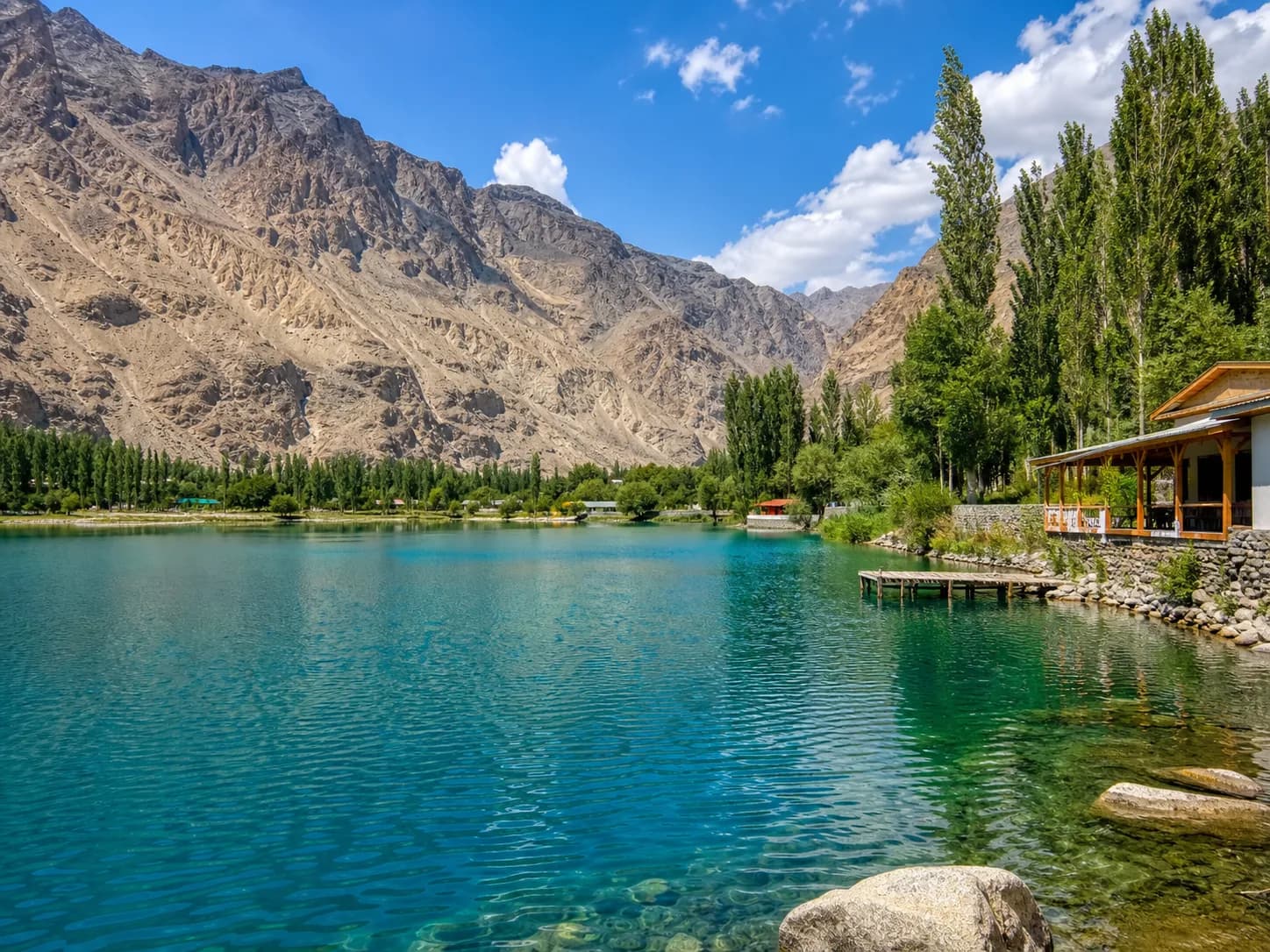
Gilgit is the administrative hub of the north and the place to sort permits, cash and transport before Hunza or Skardu.
 Peak
PeakGilgit-Baltistan
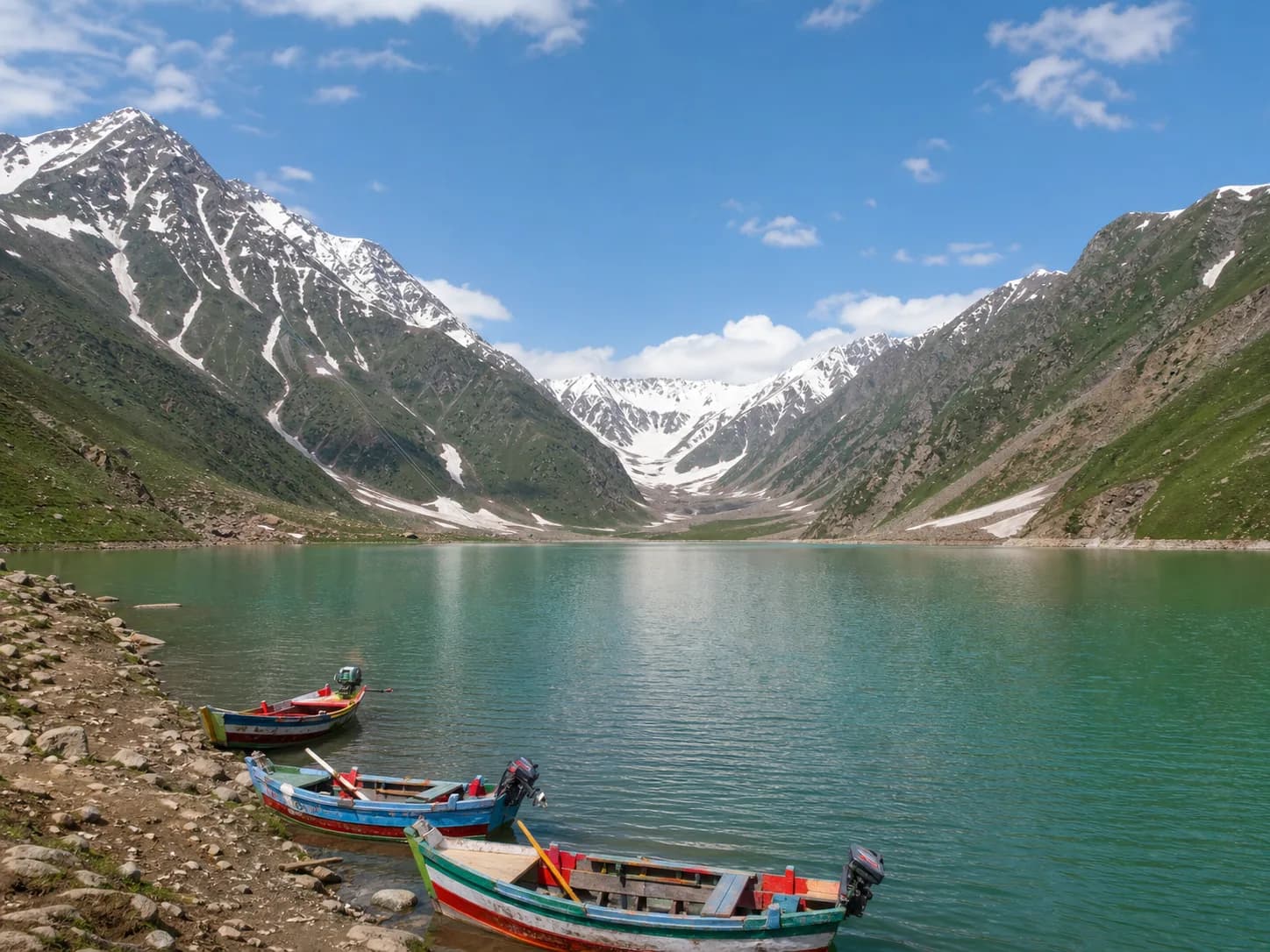
Deosai opens once the snow clears, usually late May or June, and closes again around October, which sets the shape of most Skardu trips.
 Peak
PeakKhyber Pakhtunkhwa
Pakistan's northern high season runs June to September, and rooms in Naran sell out weeks ahead.