 Peak
PeakKalam
Khyber Pakhtunkhwa
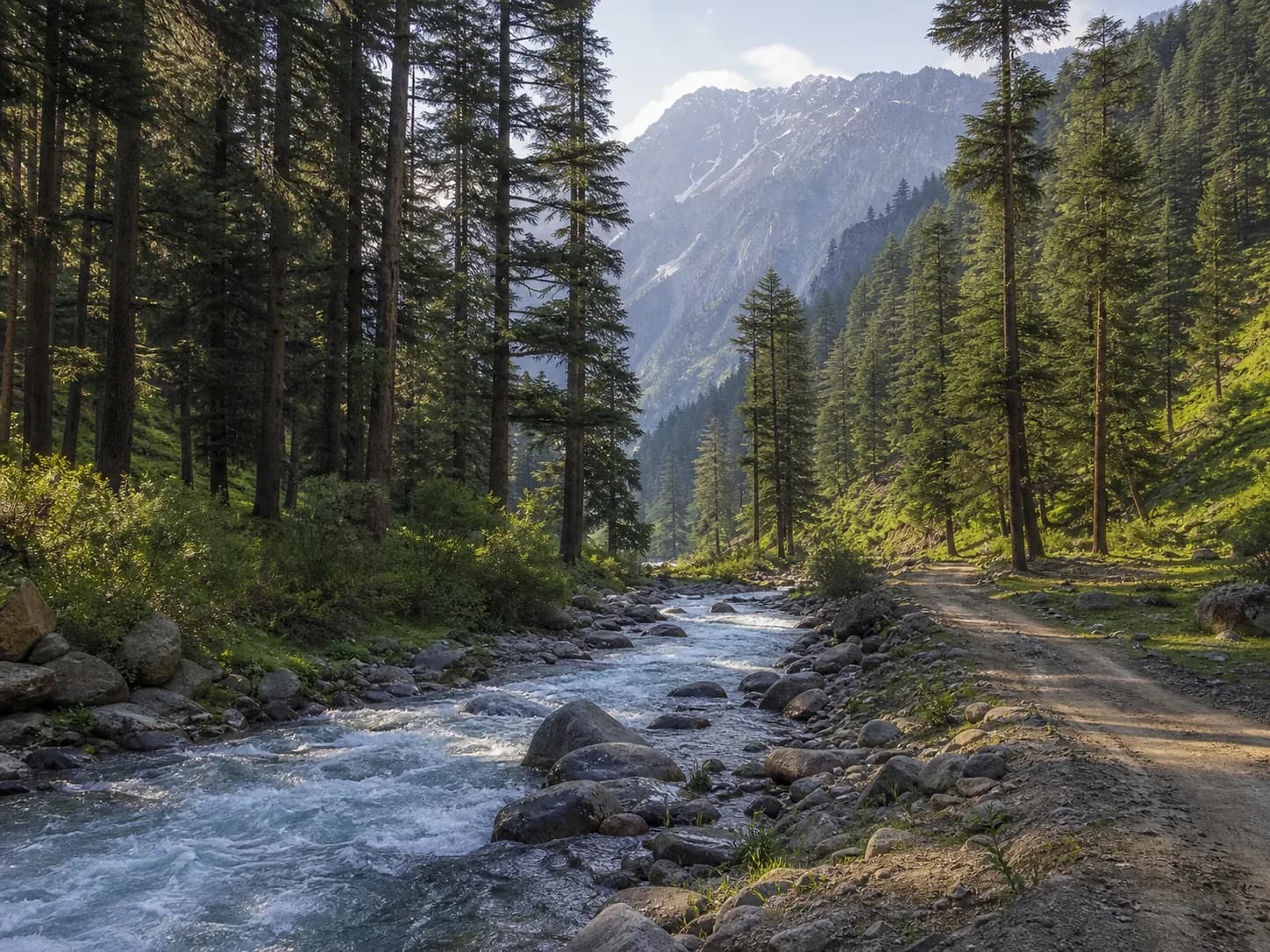
Kalam sits at the head of the Swat valley, and the Mahodand lake track above it is jeep-only and snow-bound until roughly June.
from Rs 5,000/nightView stays
Destination guide
Chitral town sits at about 1,500 metres, ten to twelve hours by road from Islamabad through Dir and the Lowari Tunnel. Rooms run Rs 5,000 to Rs 11,000 in town and Rs 4,500 to Rs 12,000 in the Kalash valleys, which is where most visitors stay. Shandur Pass to Gilgit is open roughly June to October.

May to October is the practical season, and the choice within it is really a choice about the Kalash valleys. Spring around Chilam Joshi in May is the busiest and most photographed period of the year: Bumburet fills entirely and rooms need booking a month or more ahead, with rates rising sharply. That is the trip most people are imagining when they think of Chitral, and it is the hardest one to arrange late.
July and August are warm in Chitral town and pleasant in the side valleys, which is a useful combination — the heat is a reason to be in Bumburet or Rumbur rather than the bazaar. Early July also brings the Shandur Polo Festival at the pass itself, which draws large crowds and needs camping rather than hotel accommodation. Uchal, the harvest festival, falls in August.
Autumn is quiet and clear and is the window we would recommend to anyone whose interest is the valley rather than the festival calendar. Chaumos runs through December in deep winter, which is a genuinely different proposition: the tunnel keeps the road open, but the season around it has ended and the valleys are cold.
By road from Islamabad, allow ten to twelve hours via Peshawar, Dir and the Lowari Tunnel. From Swat the route runs through Dir rather than over the mountains and takes around seven hours to Chitral town, which makes a Swat-then-Chitral trip a much more sensible pairing than the map suggests.
Flights to Chitral are limited and weather-dependent, and the practical consequence is that most travellers plan on driving in both directions rather than treating the flight as the plan and the road as the fallback. If you do intend to fly, do not build the rest of the itinerary on the assumption that it will happen.
The other way in is Shandur Pass from Gilgit, which is a jeep route rather than a road in the ordinary sense. It sits at 3,700 metres, is normally passable only from about June to October, needs a suitable four-wheel drive, and takes two days with an overnight at Phander or Mastuj. That is a journey people make deliberately, not a shortcut.
The Lowari Tunnel, roughly 8.5 kilometres under the old Lowari Pass, changed Chitral fundamentally. Before it, the district was cut off by snow for months at a time and everything about the place — supplies, hospital trips, tourism — was organised around that fact. The tunnel keeps the Dir road open through winter, and the district is now reachable year-round in a way it simply was not before.
That does not make it unconditional. The tunnel still closes occasionally for maintenance or when the approach roads on either side are snowbound, so confirm status before travelling in January and February rather than assuming. A closure there has no convenient alternative: Shandur is shut all winter regardless, so the road is the road.
Inside the valleys, the constraint is different. The last stretch of the road to Bumburet is rough and not suited to ordinary cars, which is why the jeep is the standard arrangement rather than an upgrade. Jeep hire from Chitral to Bumburet runs Rs 6,000 to Rs 10,000 return.
Rooms in Chitral town run Rs 5,000 to Rs 11,000. Kalash valley guesthouses run Rs 4,500 to Rs 12,000, with the better Bumburet properties at the top of that band. Accommodation across the district is modest by design — this is guesthouse country, not resort country — and the figures here are indicative bands rather than quoted rates.
Rates rise sharply around the Kalash festivals, and Chilam Joshi in May is the extreme case: Bumburet fills entirely and the sensible lead time is a month or more. If your dates are festival dates, book the room before you book anything else, because the room is the scarce thing.
The jeep is the other line. Chitral to Bumburet is Rs 6,000 to Rs 10,000 return, priced per vehicle, and it is not optional given the state of the last stretch. Budget it separately from the room, and if you plan to see more than one Kalash valley, ask how that is priced before you set off rather than negotiating it at the roadside.
Chitral town has a handful of mid-range hotels and guesthouses concentrated near the polo ground and the old fort. It works as a first and last night, it is where the shops and the transport are, and Tirich Mir at 7,708 metres is visible from the bazaar on a clear morning, which is a fair reward for a night in a working town.
But most visitors actually stay in the Kalash valleys, and that is the right call. Bumburet, Rumbur and Birir are 35 to 45 kilometres south-west via Ayun and have their own guesthouses. One or two nights there beats a day trip by a wide margin — the drive is long enough each way that a day trip reduces the valley to a few hours in the middle of the day, which is both the hottest part and the worst light.
Garam Chashma to the north has hot springs and basic rooms, and suits a night if you are already heading that way. Current availability and what the guesthouses actually cost on your dates come back through the Chitral hotels hub rather than a published tariff.
The single most important thing to understand about Bumburet, Rumbur and Birir is that they are lived-in communities, not an exhibit. Photography of people requires asking first, and the festivals are religious observances rather than performances laid on for visitors. That is not a formality — it is the difference between being welcome and being tolerated.
The festival calendar runs Chilam Joshi in May, which is the largest and busiest; Uchal in August, marking the harvest; and Chaumos through December in deep winter. Chilam Joshi is the one that fills Bumburet completely and drives the month-ahead booking advice.
Outside the festivals, the valleys are quiet, and that is a legitimate way to visit them — arguably a better one if your interest is the place rather than the spectacle. Autumn in particular is clear, empty and much easier to arrange.
Two of the five days are the drive, which is unavoidable at ten to twelve hours each way from Islamabad and worth planning for honestly rather than pretending away. This is a shape rather than a schedule; the Lowari Tunnel and the valley roads set the pace.
Ten to twelve hours via Peshawar, Dir and the Lowari Tunnel. Leave at first light and expect to arrive with the day gone. Take a room in Chitral town near the polo ground or the old fort, Rs 5,000 to Rs 11,000, and plan nothing else. Coming from Swat instead, the same drive is around seven hours via Dir.
Bumburet, Rumbur and Birir are 35 to 45 kilometres south-west via Ayun. Jeep hire is Rs 6,000 to Rs 10,000 return and the last stretch is rough enough that ordinary cars should not attempt it. Move your base rather than day-tripping: guesthouses in the valleys run Rs 4,500 to Rs 12,000.
This is the day the trip is for. These are living communities and the ordinary courtesies apply — ask before photographing anyone, and treat festivals as the religious observances they are rather than as events. If you are here for Chilam Joshi in May, expect Bumburet to be full and to have booked a month or more ahead.
Return to Chitral town for the fort and the bazaar, with Tirich Mir at 7,708 metres visible on a clear morning. If you would rather keep moving, Garam Chashma to the north has hot springs and basic rooms. Either works as the night before a long drive.
Ten to twelve hours back to Islamabad through the tunnel. The alternative, from roughly June to October only, is east over Shandur Pass at 3,700 metres to Gilgit: a two-day jeep journey in a suitable four-wheel drive with an overnight at Phander or Mastuj, and a genuinely different trip rather than a way home.
The guide stops where the booking starts. Rates, areas and availability live on the hub pages, and one request reaches the guesthouses and rest houses that never appear on the big booking sites.
Most trips to Chitral pair with somewhere close by. These are the stops travellers add most often.
PeakKhyber Pakhtunkhwa
Kalam sits at the head of the Swat valley, and the Mahodand lake track above it is jeep-only and snow-bound until roughly June.
 Peak
PeakKhyber Pakhtunkhwa
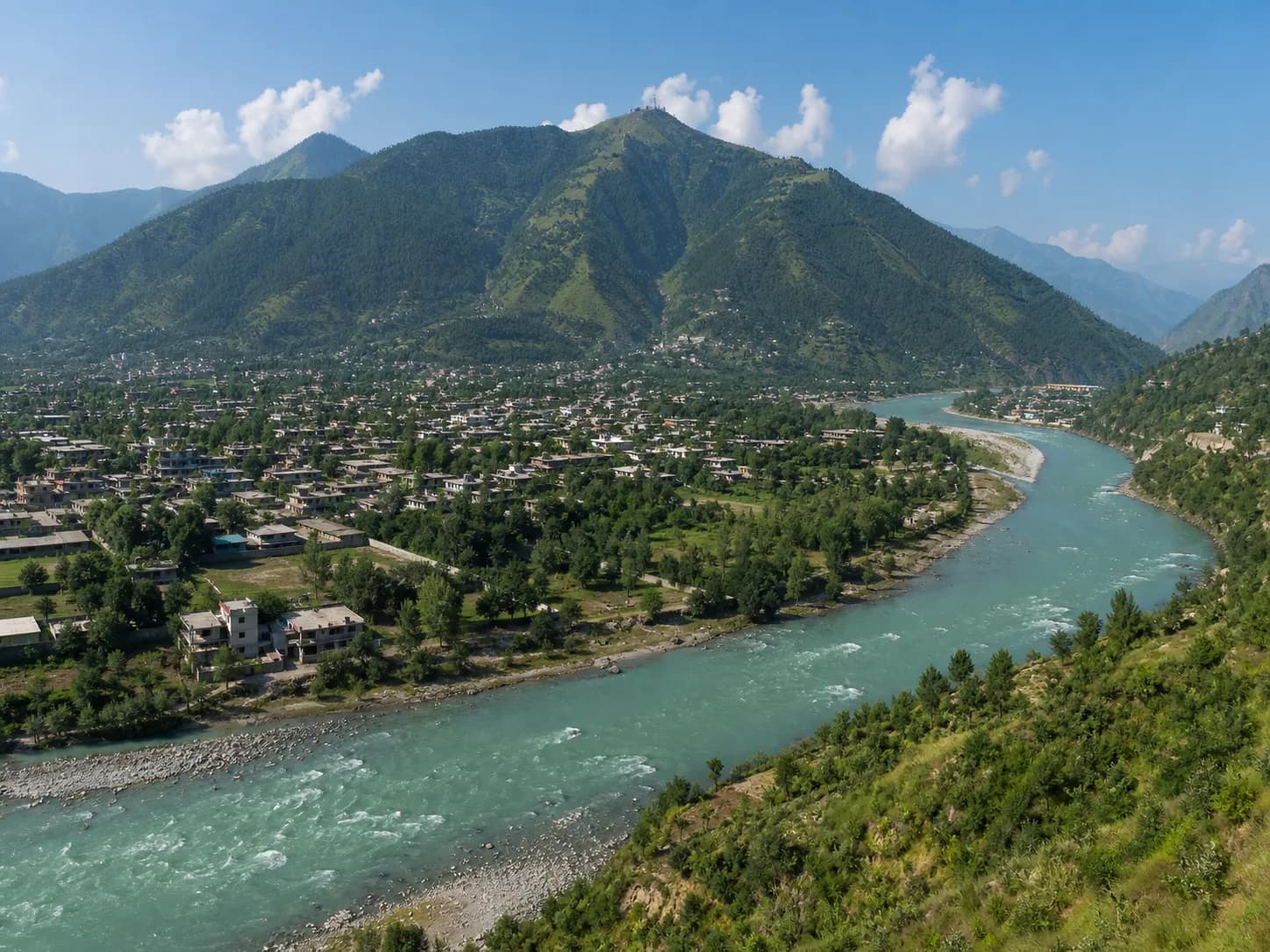
Mingora is the valley's service town; the hotels worth travelling for sit at Fizagat, Malam Jabba and up the river at Bahrain and Madyan.
 Off-peak
Khyber Pakhtunkhwa
University Town and Hayatabad hold almost all of Peshawar's usable hotel stock; the old city has the food, not the beds.
 Peak
PeakGilgit-Baltistan
Gilgit is the administrative hub of the north and the place to sort permits, cash and transport before Hunza or Skardu.